CAIS3Y IN PRACTICE

Real challenges.
Connected solutions.

From unlocking legacy data to making better use of warehouse space, explore four ways Cais3y helps businesses put their information to work.

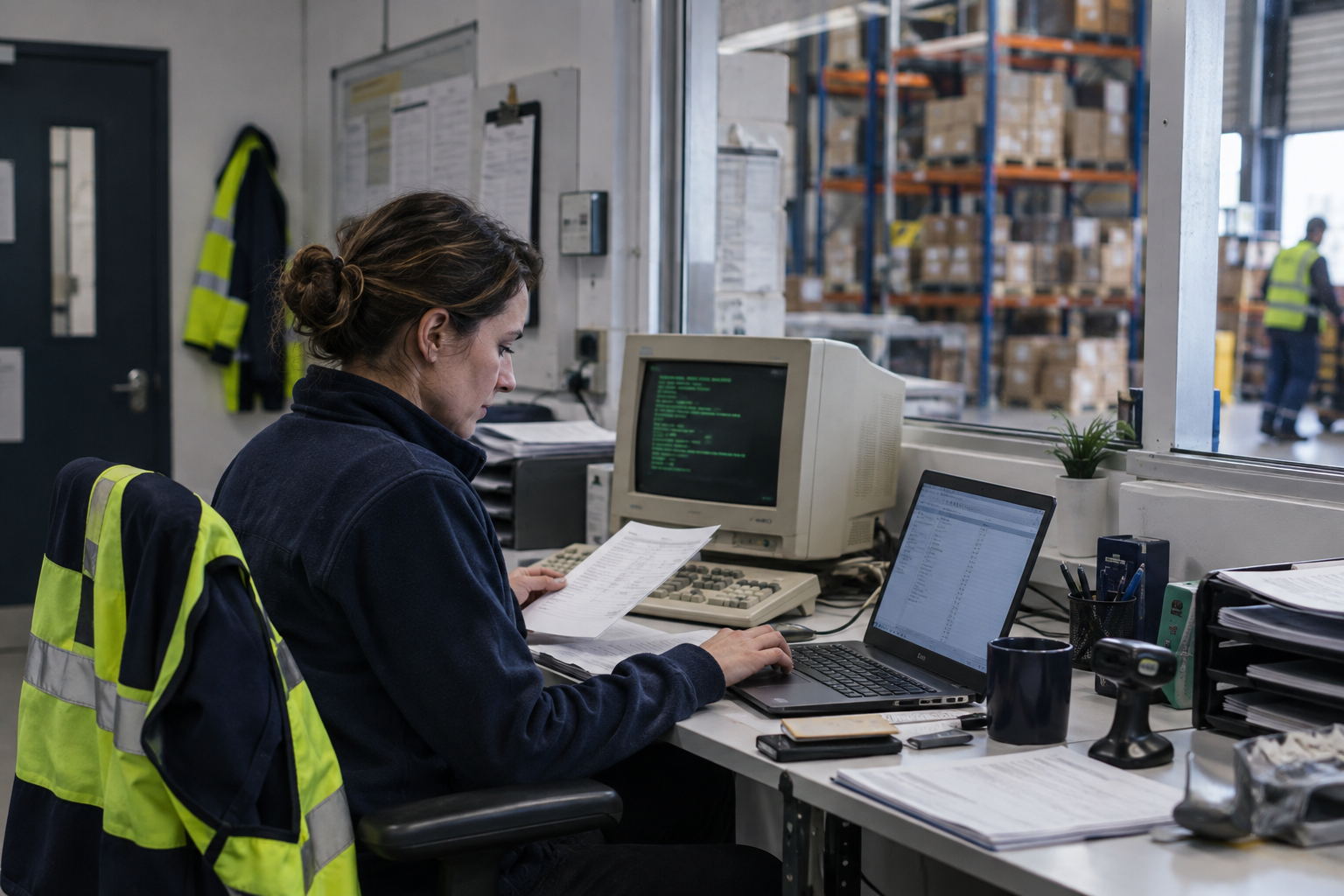
Illustrative photograph of a legacy computer terminal beside a modern laptop in a warehouse office.Integrations

Goossens Transport · Integrations

A legacy system. A new way to use its data.

Connecting a long-serving platform to the analysis and integrations the business needed.

Read case studyClose case study

The challenge

Goossens Transport relied on a very old, almost DOS-based platform. It still played a role in the business, but it could not provide the stock analysis or integrations the team needed. Useful information was visible on screen, yet difficult to put to work elsewhere.

How Cais3y helped

Cais3y read images of the existing platform and extracted the information they contained into a usable data format. That gave the business a way to connect information from its legacy screens to analysis and other systems.

The difference

The business gained a route to stock analysis and integration while continuing to use its existing platform. Information that had been confined to an older interface could become part of a more connected operation.

“We had the information on screen. Cais3y helped us turn it into data we could actually use.”

Transport Manager - Goossens Transport

Illustrative photograph of warehouse supervisors reviewing a work schedule on a tablet.Operational planning

Commodity Centre · Operational planning

Better planning before another agency booking.

Bringing space, time and people into the same operational plan.

Read case studyClose case study

The challenge

Agency costs at the Commodity Centre were spiralling. The business needed a clearer way to organise its workload and make the best use of the people and space already available, rather than treating every pressure point as a need for more staff.

How Cais3y helped

Cais3y helped the team plan work around both space and time. It supported a more coordinated workload and helped assign the best-suited people to jobs as operational needs changed throughout the day.

The difference

Planning became a way to organise the work before simply adding more labour. With a clearer view of where work needed to happen, when it needed attention and who was best placed to do it, the business could make more informed staffing decisions.

“We needed to plan the work better, not just keep adding agency hours. Cais3y helped us see how to put the right people in the right place.”

Operations Manager · Commodity Centre
Illustrative photograph of a warehouse employee using an access badge at a staff entrance.Human Resources

Erus Metals · Human Resources

From door entry to timely people data.

Reducing the effort of gathering timekeeping information for timesheets.

Read case studyClose case study

The challenge

Logging timesheets took too long at Erus Metals. Gathering and entering timekeeping information was an administrative task that needed a faster connection to what was happening on site.

How Cais3y helped

Cais3y integrated with the door-entry system to make entry and exit information available as events occurred. Instead of relying solely on later manual collection, the team had a timely source of information about people arriving and leaving.

The difference

The integration gave the business instant visibility of door-entry timekeeping data and a more direct starting point for timesheet preparation. It connected an existing site system with the people information the team needed.

“The information was already there at the door. Bringing it into Cais3y made it much easier to see who had arrived and when.”

HR Operative · Erus Metals
Illustrative photograph of organised warehouse racking and an employee checking stock with a scanner.Inventory management

Waagnaatie · Inventory management

Thousands of data points. A better use of space.

Using inventory information to support faster picking and putaway.

Read case studyClose case study

The challenge

Waagnaatie needed to make better use of its warehouse space. With thousands of data points to consider, understanding where products should sit and how they should be grouped was difficult to manage as a series of isolated decisions.

How Cais3y helped

Cais3y considered the available inventory information together to help the warehouse company use its space more effectively. It helped identify how products could be grouped and positioned to support the work of picking and putaway.

The difference

The business could take a more informed approach to product placement, with space usage and handling efficiency considered together. The focus was practical: organise stock so that picking and putting it away can happen more quickly.

“It is not just about finding somewhere to put a product. It is about putting it somewhere that makes the next job easier.”

Stock Controller · Waagnaatie

Choose which optional categories you allow. No optional cookies are installed at present. Closing this panel leaves your existing choice unchanged.

Cookie Policy · Privacy Policy